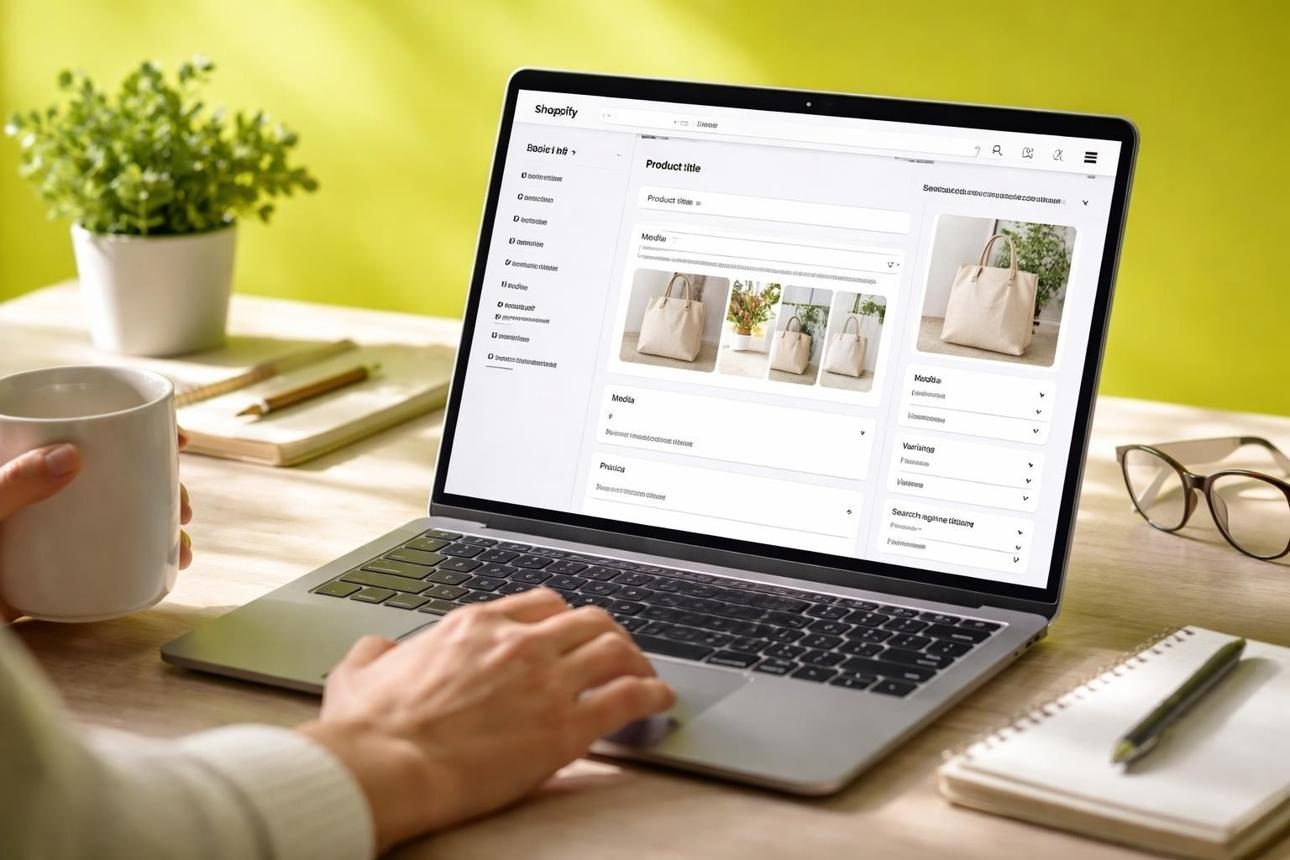
Starting an online business in the UAE is an exciting opportunity for entrepreneurs, startups, and established businesses. With the growing popularity of online shopping, launching your own e-commerce website can help you reach customers, showcase your products, and build a recognisable brand.
Among the available e-commerce platforms, Shopify is a popular choice for businesses looking to create and manage their own online stores. It offers tools for website design, product management, payment integration, order processing, and online selling.
However, launching a successful Shopify store involves more than selecting a theme and uploading products. You need to prepare your business, organise your product catalogue, configure payment and shipping options, and create a smooth shopping experience.
If you are planning to launch your first Shopify store in the UAE, this checklist will help you understand the important steps before going live.
1. Complete Your Business Setup Before Launching
Before building your Shopify website, make sure your business structure and legal requirements are in place. If you are planning to sell products commercially in the UAE, check the appropriate business licence and permitted activities with the relevant licensing authority.
Your initial business setup checklist should include:
- Obtain the appropriate UAE business licence.
- Complete business registration requirements.
- Register your trade name.
- Prepare your business contact information.
- Arrange the necessary business banking facilities.
- Review applicable tax and regulatory obligations.
Having the right business foundation helps you prepare for the operational requirements of running an online store. Read our guide on how to get an ecommerce licence in the UAE.
2. Choose the Right Shopify Plan and Domain Name
Once your business setup is ready, the next step is creating your Shopify account. Shopify provides different subscription plans depending on business requirements and features. Before choosing a plan, consider:
- Your expected monthly sales.
- Number of products.
- Required store features.
- Payment and transaction costs.
- Future business expansion.
- Available integrations.
You should also select a domain name that represents your brand. A good domain name should be:
- Short and easy to remember.
- Relevant to your business.
- Easy to spell and pronounce.
- Consistent with your brand identity.
For example, if you are building a fashion brand, choose a domain that reflects your brand name rather than a complicated combination of words.
3. Design a Professional Shopify Store
Your website is often the first place customers interact with your brand. A professional design helps establish trust and makes shopping easier. Your Shopify store should have a clean layout, consistent branding, and easy navigation. Important design elements include:
- Professional homepage design.
- Brand logo and colour scheme.
- Clear navigation menu.
- Well-organised product collections.
- Mobile-responsive design.
- Attractive product banners.
- Visible shopping cart and checkout options.
Remember that many customers shop using mobile devices. Make sure your store works smoothly across smartphones, tablets, and desktop computers.
4. Upload and Optimise Your Products
Product presentation is one of the most important factors influencing online shopping decisions. Before launching your store, prepare your product catalogue carefully. Your product upload checklist should include:
- High-quality product images.
- SEO-friendly product titles.
- Detailed product descriptions.
- Correct product pricing.
- Product categories and collections.
- Available sizes, colours, and variations.
- Product specifications and features.
- Accurate stock quantities.
?Why Is Product SEO Important?
Customers often discover products through search engines. Optimised product titles, descriptions, and page content help search engines understand what your store sells.
Instead of
“Women’s Dress”
Use
“Women’s Elegant Black Evening Dress”
Use relevant keywords naturally in product titles, descriptions, image alt text, and page content.
5. Set Up Payment Gateways for UAE Customers
A smooth payment process is essential for converting website visitors into customers. Before launching your Shopify store, configure suitable payment methods for your target market. Depending on your eligibility and provider requirements, payment options may include:
- Credit and debit card payments.
- Supported third-party payment gateways.
- Cash on delivery, where suitable.
- Other available digital payment methods.
Check the following before going live:
- Payment gateway registration and approval.
- Business documentation requirements.
- Currency and settlement settings.
- Transaction fees.
- Payment testing.
- Refund and payment policies.
Shopify Payments availability and supported features vary by country, so UAE merchants should verify currently supported payment providers and integrations.
6. Configure Shipping and Delivery Options
Customers expect clear delivery information before placing an order. Your Shopify store should have shipping options that match your business operations. For UAE-based businesses, consider:
- Delivery within Dubai.
- Delivery to Abu Dhabi and other emirates.
- Shipping charges.
- Free delivery thresholds.
- Estimated delivery times.
- Courier service integration.
- Order tracking.
- Returns and exchange procedures.
Make sure your shipping charges and delivery information are clearly displayed during checkout.
7. Create Essential Website Pages
Before publishing your store, prepare the important pages that help customers understand your business and shopping policies. Your Shopify website should include:
| Page | Purpose |
|---|---|
| Home | Introduces your brand and products |
| About Us | Explains your business and story |
| Contact Us | Provides customer support details |
| Privacy Policy | Explains personal data handling |
| Terms and Conditions | Outlines website usage terms |
| Shipping Policy | Explains delivery procedures |
| Return and Refund Policy | Clarifies returns and refunds |
Make sure your policies are appropriate for your business and comply with applicable UAE requirements.
8. Set Up Shopify SEO Before Launch
Launching a website without SEO preparation can make it difficult for customers to discover your products through Google. Search engine optimisation should be part of your Shopify setup process. Important SEO activities include:
- Keyword research.
- SEO-friendly page titles.
- Meta descriptions.
- Optimised product descriptions.
- Image alt text.
- Clean website URLs.
- Product and collection page optimisation.
- Internal linking.
- Google Search Console setup.
- Google Analytics integration.
You should also create useful blog content related to your products and industry. For example, a beauty store can publish skincare guides, while a fashion store can create articles about styling trends.
Consistent SEO efforts can help improve organic visibility over time.
9. Test Your Shopify Store Before Going Live
Before announcing your store, test all important features. A website may look attractive but still contain technical issues that affect the customer experience. Use this pre-launch checklist:
 Pre-launch checklist
Tick each item as you test it. 13 checks before you go live.
Testing your store before launch helps identify issues and reduces the risk of disappointing customers.
10. Plan Your Marketing Strategy After Launch
Launching your Shopify store is only the beginning. You also need a marketing strategy to attract visitors and encourage customers to purchase. Some effective marketing activities include:
Google Ads
Reach customers searching for your products through targeted advertising campaigns.
Social Media Marketing
Promote products through Instagram, Facebook, TikTok, and other relevant platforms.
Search Engine Optimisation
Improve website visibility through keyword research, content optimisation, and technical SEO.
Email Marketing
Communicate with customers about new arrivals, offers, and product updates.
Content Marketing
Publish useful blogs and product-related articles to attract relevant website traffic.
A combination of marketing activities can help build brand awareness and support long-term store growth.
11. Why Shopify Store Management Services in UAE Are Important
Launching your website is one stage of building an online business. Once your store is live, you need to manage it regularly. Product updates, inventory monitoring, order management, website maintenance, and SEO require continuous attention.
Professional Shopify store management services in UAE can help businesses handle these responsibilities efficiently. These services may include:
- Product uploading and catalogue management.
- Product descriptions and image optimisation.
- Collection and category updates.
- Inventory and pricing management.
- Homepage banners and website content updates.
- Shopify SEO and on-page optimisation.
- Website maintenance and regular updates.
- Store performance monitoring.
For businesses with growing product catalogues, professional store management can help maintain an organised and updated online shopping experience.
12. How EBOXX Helps You Launch and Manage Your Shopify Store
At EBOXX, we provide complete e-commerce solutions to help businesses establish and grow their online presence.
We understand that every business has different requirements. Some entrepreneurs need help building their first Shopify website, while others need ongoing store management and digital marketing support. Our services cover different stages of the e-commerce journey.
Shopify Store Design and Development
- Shopify store setup and customisation.
- Theme design and branding.
- Website page creation.
- Payment and shipping configuration.
- Mobile-friendly website development.
Shopify Store Management
- Product uploading and listing optimisation.
- Product categories and collection management.
- Inventory and pricing updates.
- Website content management.
- Ongoing store maintenance.
Ecommerce SEO and Marketing
- Keyword research.
- Product and category page optimisation.
- Website SEO.
- Google Ads management.
- Social media marketing.
- Content and blog creation.
In addition to Shopify, we also support businesses with Amazon, Noon, Namshi, Trendyol, 6th Street, and Mumzworld marketplace management.
Our ecommerce management services in UAE are designed to support businesses from initial setup to ongoing online operations.
Conclusion: Launch Your Shopify Store with the Right Strategy
Starting your first Shopify store in the UAE can be an important step towards building your own online business. However, a successful launch requires proper preparation, professional website design, optimised product listings, reliable payment and shipping arrangements, and an effective marketing strategy.
By following this checklist, you can prepare your Shopify store for launch and create a better shopping experience for your customers.
If you need assistance with Shopify development, product management, SEO, or ongoing store operations, EBOXX is here to support your e-commerce journey.